
Managing Safety Performance para Operações de Processo
Treinamento de Liderança em Segurança para Plantas Químicas e Petroquímicas
Ajude supervisores a liderar a segurança nos pontos onde autorizações, repasses, trabalho de contratados, mudanças de condição e pressão de produção se encontram diariamente.
200,000+
líderes treinados
300+
empresas clientes atendidas
25 anos
ajudando equipes industriais a liderar a segurança
Desenvolvido para Operações de Processo
Onde Pequenos Erros Podem Se Tornar Eventos Graves
Operações químicas e de processo dependem de supervisores que transformem sistemas sólidos em decisões seguras durante o trabalho real.
Plantas Químicas e Petroquímicas
Para operações em turnos onde autorizações, procedimentos, repasses e decisões de campo dependem da liderança da linha de frente.
Revestimentos e Materiais Especiais
Para equipes que equilibram produtos, equipamentos, contratados e expectativas de produção em mudança sem perder o controle do risco.
Fertilizantes e Manufatura de Processo
Para trabalhos de alta consequência em que supervisores experientes precisam reconhecer mudanças de condição e intervir precocemente.
Turnarounds e Trabalho de Contratados
Para trabalhos temporários e de alta atividade onde expectativas claras e acompanhamento consistente importam entre empresas.
Cultura e Execução de Segurança
Um Sistema de Segurança Sólido Ainda Depende do Que os Supervisores Fazem
Procedimentos, sistemas de segurança de processo e treinamento técnico importam. A cultura torna-se visível no que os supervisores notam, toleram, corrigem, reconhecem e reforçam.
Uma autorização ou procedimento só protege as pessoas quando os líderes reforçam como o trabalho é realmente realizado.
Repasses de turno e condições mutantes exigem julgamento, questionamento e intervenção precoce.
A pressão de produção vira um problema de segurança quando os supervisores não têm ferramentas práticas de influência.
Contratados e supervisores novos precisam das mesmas expectativas claras de liderança que equipes experientes.
Comece a Conversa
Solicitar uma chamada de alinhamento sobre liderança em segurança
Diga à Balmert o que seus supervisores, unidades e cultura de segurança precisam melhorar. A chamada ajudará a esclarecer se Managing Safety Performance é o próximo passo adequado.
Workshop Principal
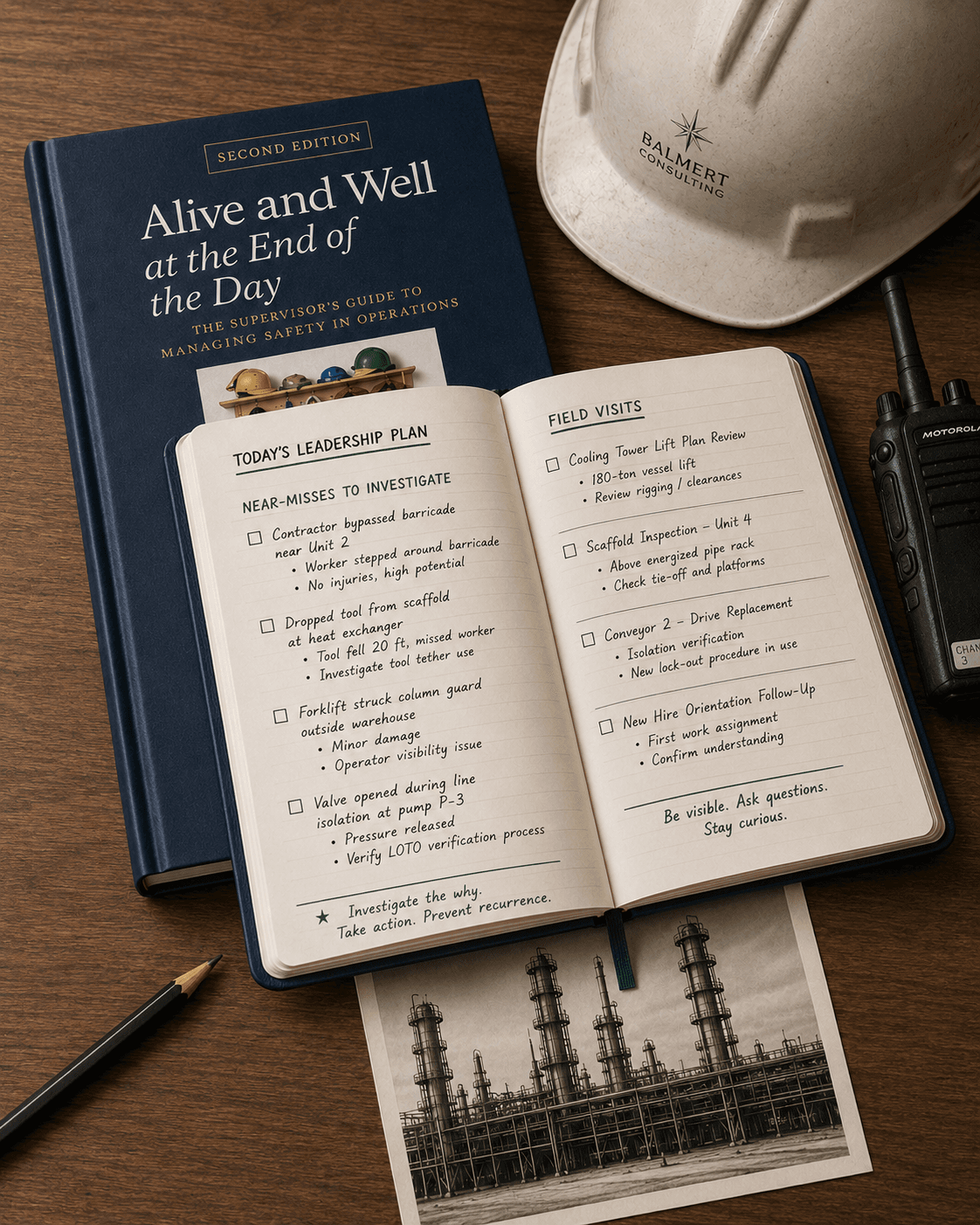
Managing Safety Performance Desenvolve Hábitos Práticos de Liderança
O workshop principal de dois dias da Balmert oferece a supervisores e gerentes de linha de frente ferramentas que podem usar durante o trabalho que já lideram.
Intervir mais cedo, antes que os atalhos se tornem prática aceita.
Orientar e corrigir sem transformar a segurança em burocracia ou policiamento.
Reconhecer comportamento seguro e reforçar expectativas claras.
Usar quase-acidentes, reuniões e mudanças de procedimento como momentos de liderança.
Construir uma linguagem compartilhada de liderança em segurança entre turnos e unidades.
Avaliação sem pressão
Decida se o MSP é adequado para sua equipe e implantação
Uma chamada de adequação ajuda a esclarecer o público, o ambiente operacional, o formato do treinamento e o próximo passo prático antes de você decidir pela implantação.
O que acontece na chamada
Um consultor experiente da Balmert ajuda você a escolher o próximo passo certo.
Eles ouvem sua operação, riscos, público e objetivos.
Eles recomendam o programa, formato, público e caminho de implantação certos.
Você sai com um próximo passo claro.
Boa compatibilidade normalmente significa
Você lidera ou influencia segurança, operações, treinamento ou desenvolvimento de supervisores.
Sua equipe realiza trabalho físico perigoso em operações químicas ou de processo relacionadas.
Os supervisores influenciam materialmente se o trabalho seguro acontece em cada turno.
Você está avaliando treinamento privado para equipe ou implantação em vários locais.
O que a Balmert pode enviar após a chamada
Um resumo do curso Managing Safety Performance e notas práticas de adequação para seus supervisores, operação e situação de implantação.
Notícias do Managing Safety Performance
Insights práticos para líderes de segurança de plantas químicas
Explore ideias testadas em campo para liderar e gerenciar a segurança, reconhecer riscos e orientar os supervisores mais próximos do trabalho.

Notícias MSP
Liderando — e Gerenciando a Segurança
7 de janeiro de 2025
Neste mês, Paul celebra a escolha de Ceasar de designar o Dia de Ano Novo como o início da próxima volta ao redor do sol, além de considerá-lo o momento perfeito para todo gerente e supervisor planejar e avaliar. Ele aponta que não há nada mais importante do que planejar para realmente tornar as coisas mais seguras para quem realiza o trabalho da empresa. Nesse processo, ele aborda 'a próxima grande coisa' e a 'sabedoria convencional' que aparecem com frequência durante o planejamento. Ele nos deixa com reflexões sobre a importância crítica da liderança e da execução se a meta for ver que todos voltem Alive and Well at the End of the Day.
Ler artigo
Notícias MSP
Gerenciando Riscos
31 de outubro de 2025
Neste mês, Paul aborda um dos desafios mais difíceis que todo líder enfrenta — gerenciar perigos. Não apenas os grandes e óbvios que entram na 'lista A', mas as coisas comuns do dia a dia que causam a maioria das lesões. Ele nos lembra que gerenciar perigos não significa eliminar todo risco; trata-se de lidar com eles — e com as pessoas ao redor — 'com um grau de habilidade e cuidado'.
Ler artigo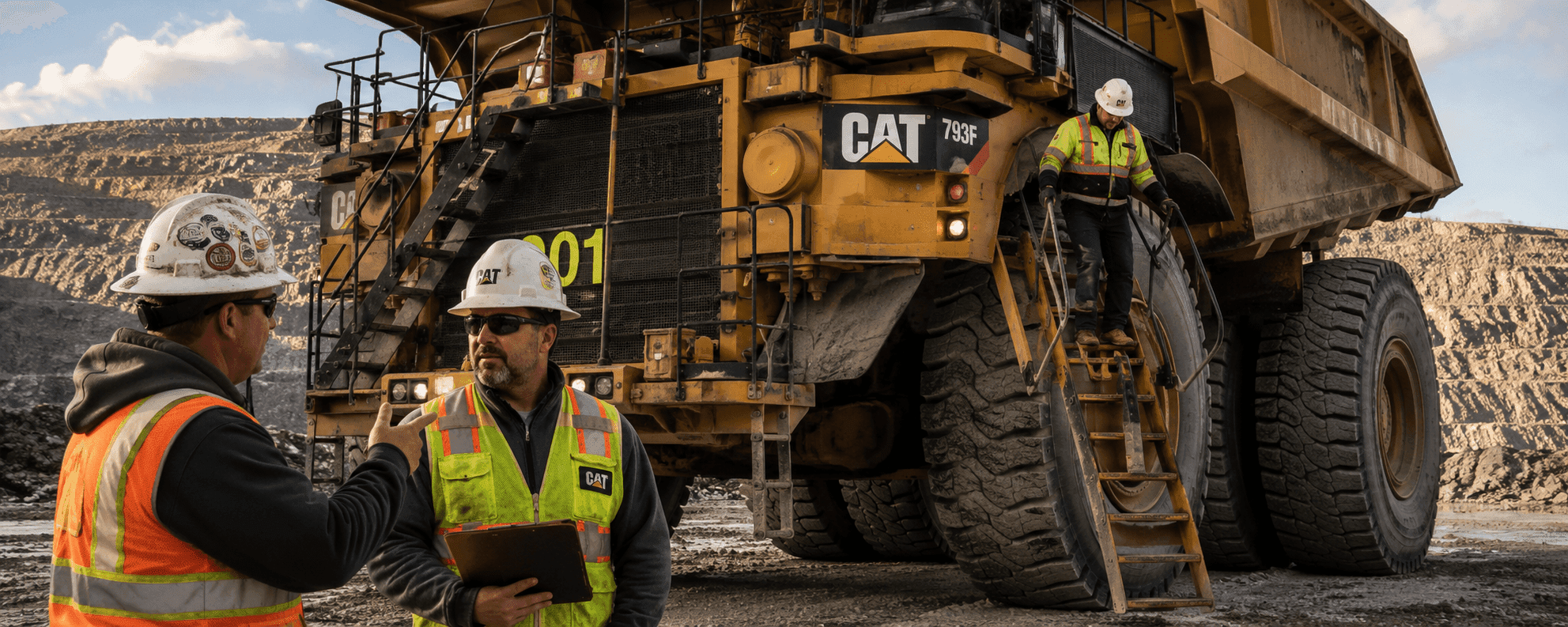
Notícias MSP
Coaching de Líderes
30 de maio de 2026
Nesta edição do Managing Safety Performance News, Gary Rivenes explora como é o coaching eficaz quando a liderança em segurança sai da sala de aula e vai para o campo. Gary escreve a partir da experiência: antes de ingressar na Balmert Consulting, ele passou mais de trinta anos em cargos de liderança na mineração, desde supervisionar uma equipe de setenta pessoas até servir como Diretor de Operações. Nesses cargos, treinar líderes não era uma teoria ou um programa. Era parte de fazer o trabalho com segurança e de garantir que as pessoas voltassem Alive and Well at the End of the Day.
Ler artigoLiderança em Segurança Prática
Ofereça aos supervisores da planta ferramentas que possam usar durante o trabalho real.
Quando o trabalho é perigoso e as condições mudam, a liderança em segurança precisa se manifestar no campo, durante o turno e nas decisões que os supervisores tomam todos os dias.
Autoridade prática moderna
Pensamento claro, ferramentas práticas e comportamento de liderança onde a segurança é realmente moldada.