
Managing Safety Performance News
Safety Leadership Articles
Practical ideas and real-world insights on safety leadership, hazard recognition, accountability, and field execution, all in one searchable library.

MSP News
June 16, 2026
Appreciating Feedback
In this month’s Flash what might get in the way of intervention, why feedback matters, and how a simple “thank you” can encourage the conversations that help prevent injuries.
Read ArticleLive Archive
Latest Articles

MSP News
Coaching Leaders
May 30, 2026
In this month’s Managing Safety Performance News, Gary Rivenes explores what effective coaching looks like when safety leadership moves from the classroom to the field. Gary writes from experience: before joining Balmert Consulting, he spent more than thirty years in mining leadership roles, from supervising a seventy-person crew to serving as Chief Operating Officer. In those roles, coaching leaders was not a theory or a program. It was part of getting the work done safely and sending people home alive and well at the end of the day.
Read Article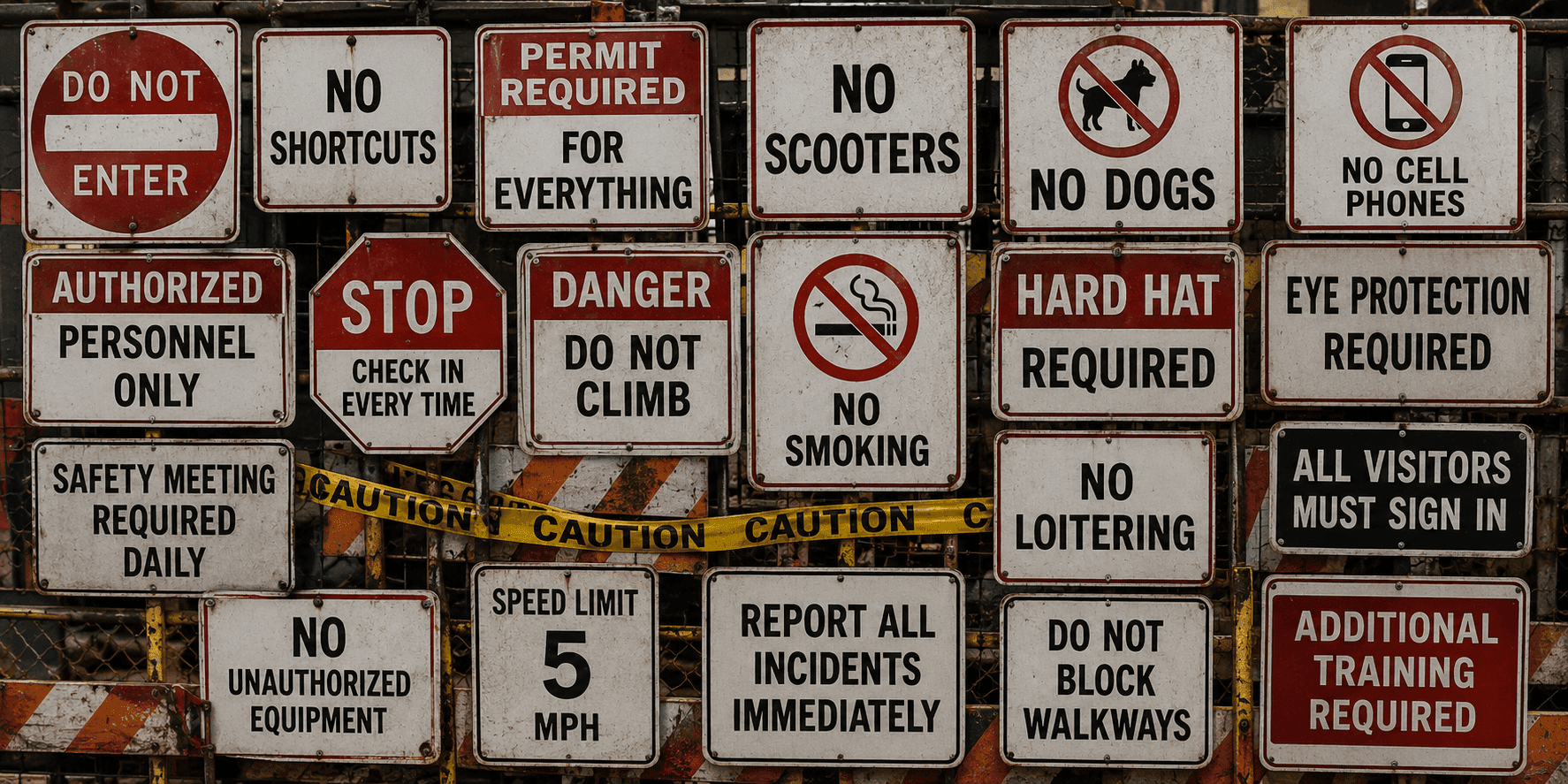
MSP News
All “Those” Rules…
May 22, 2026
In this month’s Flash we discuss “dumb rules”, and re-visit an easy way to put on great Tool Box Safety Meetings. Unfortunately those sorts of rules are often unwanted and seen as unnecessary, here’s one idea to help you reduce the chance a new one might be needed in the first place.
Read Article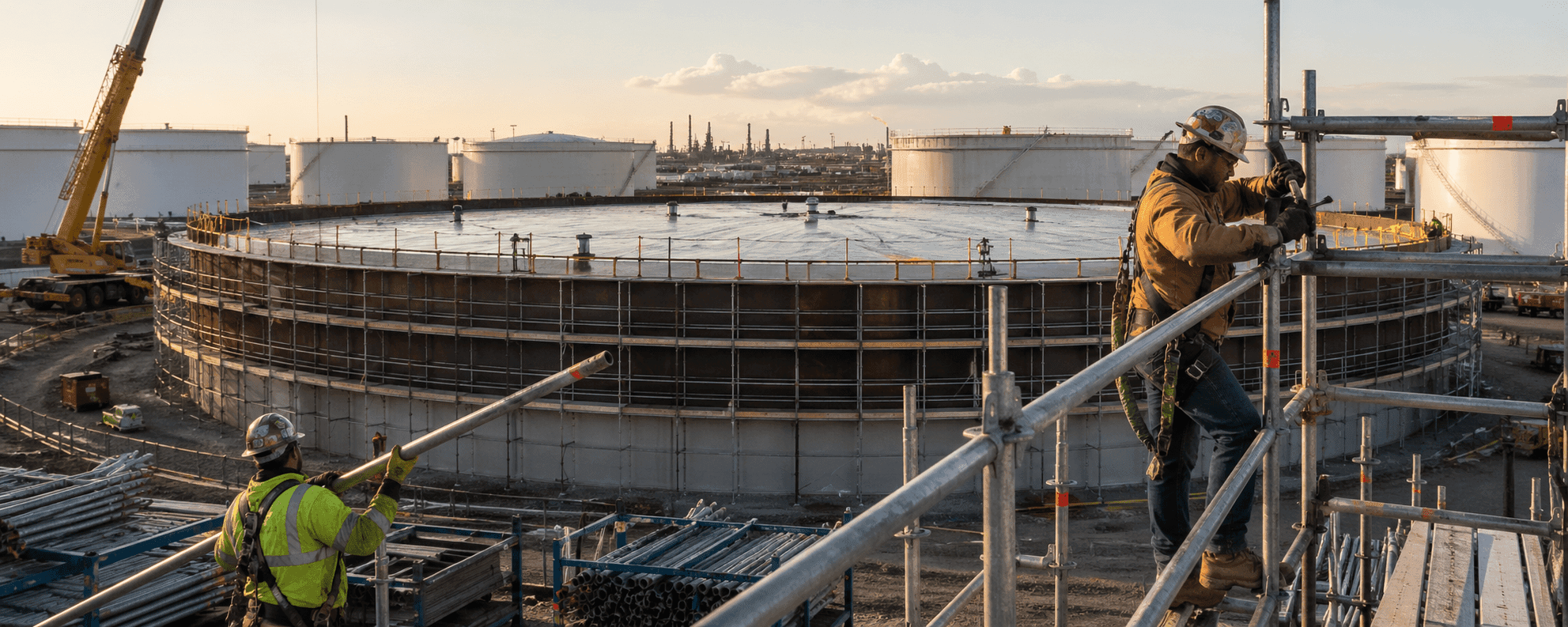
MSP News
A Case Study
May 1, 2026
This month Paul explains that investigation reports are valuable leadership tools not simply because they identify technical causes, but because they reveal how familiar execution challenges—such as limited training, inexperience, weak supervision coverage, fatigue, time pressure, and inconsistent use of PPE—combine to produce serious outcomes. The primary purpose of an investigation is to help ensure an event does not happen again, but equally important is the Performance Visibility investigations provide: a clearer understanding of what is actually happening where work is being performed.
Read Article
MSP News
Situational Awareness
April 20, 2026
In this month’s Flash we look at static hazard recognition. Knowing and understanding where stored energy exists, which might not always be obvious, helps us ensure everyone goes home alive and well.
Read Article
MSP News
Looking In The Mirror
March 31, 2026
In this month’s Managing Safety Performance News, guest contributor and Balmert Consulting senior teacher Van Long reflects on a simple but powerful idea: the most effective safety leadership begins with self-reflection.
Read Article
MSP News
Expectations and Assumptions
March 17, 2026
In this month’s Flash we look at the difference between an expectation and an assumption. That distinction might seem subtle at first glance, however the difference found in the definitions proves a very critical point for anyone who leads and manages safety.
Read Article
MSP News
Environment And Safety
February 27, 2026
In this issue of Managing Safety Performance News, Paul looks at why separating “environment” from “safety” misses the point. Using real work examples—from hauling tools over a snowbank to executive debates about compliance—he makes the case that many hazards don’t come from the job itself, but from the conditions in which the work is done. By stripping injuries down to simple “headlines” and sorting them by the source of the hazard, patterns start to emerge that are easy to miss in root cause analysis reports. The takeaway is straightforward: environment and safety are inseparable, and leaders who want better safety performance need to see the work—and its hazards—clearly, from the moment it begins.
Read Article
MSP News
Finding “The Source”
February 17, 2026
In this month’s Flash, we explore where hazards come from—and why that matters. Understanding their sources is a critical step in identifying what could cause harm.
Read Article
MSP News
It’s Just Common Sense
January 30, 2026
This month Paul examines how leaders often misuse the phrase “it’s just common sense”—either to dismiss learning or to assume shared understanding without definition. He argues that many leadership statements presented as fact are really opinions, and that poor communication stems from assuming others interpret words, experience, and expectations the same way.
Read ArticleMSP News
Get Practical Safety Leadership Ideas
Subscribe to Managing Safety Performance News for practical articles, examples, and ideas that help leaders influence safety where the work happens.