
Set clear expectations before work begins.
For corporate EHS/HSE leaders in high-hazard operations
Make Safety Leadership Stick Beyond the Two-Day Workshop.
Managing Safety Performance combines a private two-day workshop with sponsor alignment, a Personal Action Plan, 30/60/90-day reinforcement, and lighter monthly practice through month 12.
No obligation. The conversation includes a preliminary fit-and-rollout recommendation for your supervisors, sites, and safety leadership goals.

Stage 012 days
Stage 02Next shift
Stage 0330 / 60 / 90 days
Stage 04Month 12
Established industrial safety leadership experience
Balmert's practical approach has been taught and refined with leaders responsible for real, high-hazard work.
200,000+leaders trained
300+client companies served
25 yearshelping industrial teams lead safety
“The course content fills a critical need for our frontline leaders and the practical exercises/group sessions are well done.”
What supervisors put into practice
Make safety leadership visible in the work supervisors already do.
MSP focuses on practical leadership moments, not safety theory alone. Supervisors learn tools they can use while planning work, observing the job, recognizing safe decisions, correcting unsafe behavior, leading meetings, and following through.
Observe how work is actually being performed.
Ask questions that surface risk and understanding.
Recognize safe decisions specifically.
Intervene earlier when behavior or conditions drift.
Follow through so expectations remain credible.
What leaders see after MSP
What changed after MSP.
Tools in the field
“We are seeing...not only asking Darn Good Questions but they are giving their Case for Safety in their safety meetings.”
Team practice
“You managed to get some people...to come out of their comfort zones... I think we all found it beneficial and I'm looking forward to sharing and practicing some of these ideas with my team.”
Supervisor impact
“It was some of the best training for supervisors I've been to because it effectively emphasizes the role a supervisor can play in safety performance.”
How MSP turns training into practice
A connected path from the classroom to daily supervisor practice.
The workshop builds the tools. The activation path helps the sponsor and supervisors put them into use after the room clears.
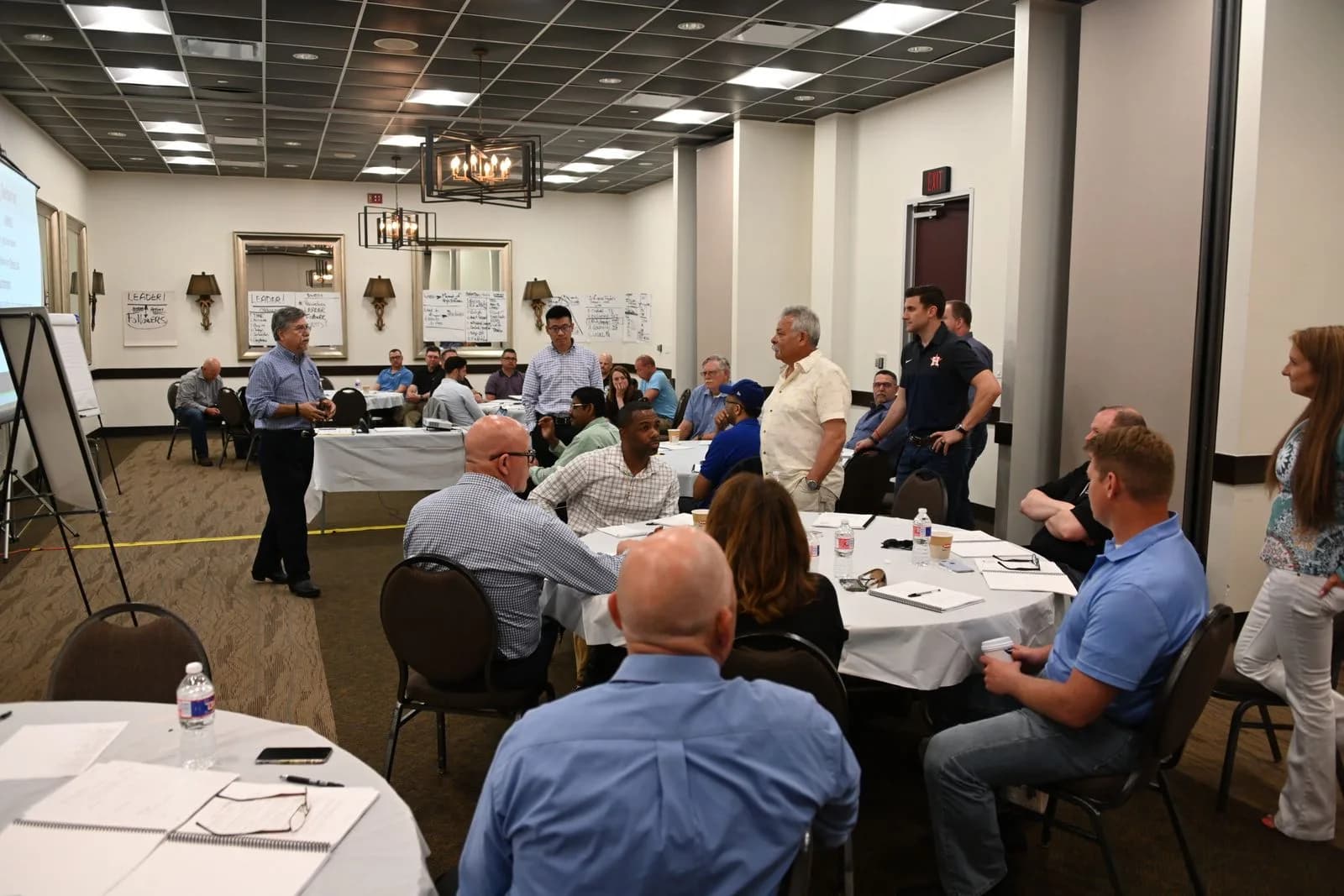
Before the workshop
Align the rollout
Clarify the sponsor, audience, terminology, leader guidance, branded materials, and logistics before the room fills.
Two-day workshop
Learn and practice in the classroom
Supervisors discuss, practice, and apply 14 practical safety-leadership tools, then leave with a Personal Action Plan.
Next shift
Activate on real work
Turn one real leadership challenge into an immediate commitment supported by a manager prompt and quick-start practice.
Through month 12
Reinforce and review
Use 30/60/90-day reinforcement, lighter monthly practice, and a sponsor review to keep application moving through year one.
From workshop to field practice
What helps the learning reach the work
Each part removes a common implementation gap between a strong workshop and consistent supervisor follow-through.
Avoid a generic rollout
- Private delivery
- White-label alignment
- Branded participant manual
- Terminology and sponsor guidance
Move from hearing to practicing
- Two-day MSP experience
- 14 practical tools
- Practice exercises
- Personal Action Plan and next-shift commitment
Make early follow-through easier
- Study Guide
- Sequenced lesson reinforcement
- Manager prompts
- Field-practice record
Keep practice moving without a heavy LMS
- Lighter monthly prompts through month 12
- Anniversary sponsor review
Give sponsors a clearer view of rollout
- Selected observable leadership practices
- Aggregate sponsor review
- Appropriate next-step recommendation
A serious fit conversation
Built for organizations ready to support practice, not just attendance
- Supervisors or frontline leaders are responsible for high-hazard work.
- The organization wants practical leadership behavior, not safety theory alone.
- A sponsor can support practice after the workshop.
- A private cohort or multi-site rollout is under consideration.
- The team is prepared to discuss audience, timing, implementation, and measurement.
Not every request is a fit
Organizations seeking a compliance course, a certification-only transaction, or a promised injury outcome are unlikely to be a fit.
A skeptic's perspective
“I was very skeptical of the safety leadership initiative when I came to class. I left energized.”
Start with fit
Request your Safety Leadership Fit Call
Tell Balmert about your supervisors, sites, sponsor, and rollout goals. The conversation will determine whether MSP is the right next step and what an appropriate activation path could look like.
Your Fit Call takeaway
Leave with a preliminary MSP Activation Fit Map
Balmert will help map the likely cohort and sponsor, workshop alignment needs, next-shift activation, preliminary 30/60/90-day cadence, lighter months 4–12 path, observable practices worth considering, and potential multi-site sequence.
What happens on the Fit Call
- 01
Balmert learns your operation, audience, sponsor, and current challenge.
- 02
Both sides assess whether MSP and its activation path fit the organization.
- 03
You leave with a preliminary fit-and-rollout recommendation; suitable engagements can proceed to a separately scoped proposal.
Final scope, timing, pricing, measurement, and rollout terms are confirmed only after discovery and in a separate proposal.